The Art of Biophilic Design: Connecting with Nature
- Caitlyn Tucker
- Jun 21
- 4 min read

In an age where urbanization and technology dominate our lives, the need to reconnect with nature has never been more pressing. Biophilic design, a concept that integrates natural elements into our built environments, offers a solution to this growing disconnect. By fostering a connection with nature, biophilic design not only enhances our physical spaces but also improves our mental well-being. This blog post explores the principles of biophilic design, its benefits, and practical applications in various settings.

Understanding Biophilic Design
Biophilic design is rooted in the idea that humans have an innate connection to nature. This connection is essential for our well-being and can be fostered through thoughtful design. The term "biophilia," coined by psychologist Erich Fromm, refers to the love of life and living systems. Biophilic design seeks to create environments that reflect this love by incorporating natural elements, such as light, water, plants, and natural materials.
Key Principles of Biophilic Design
Natural Light: Access to natural light is crucial for our physical and mental health. It regulates our circadian rhythms and enhances mood. Design strategies may include large windows, skylights, and open spaces that allow sunlight to flood in.
Natural Materials: Using materials that mimic or are derived from nature can create a sense of warmth and comfort. Wood, stone, and clay are excellent choices that evoke a natural feel.
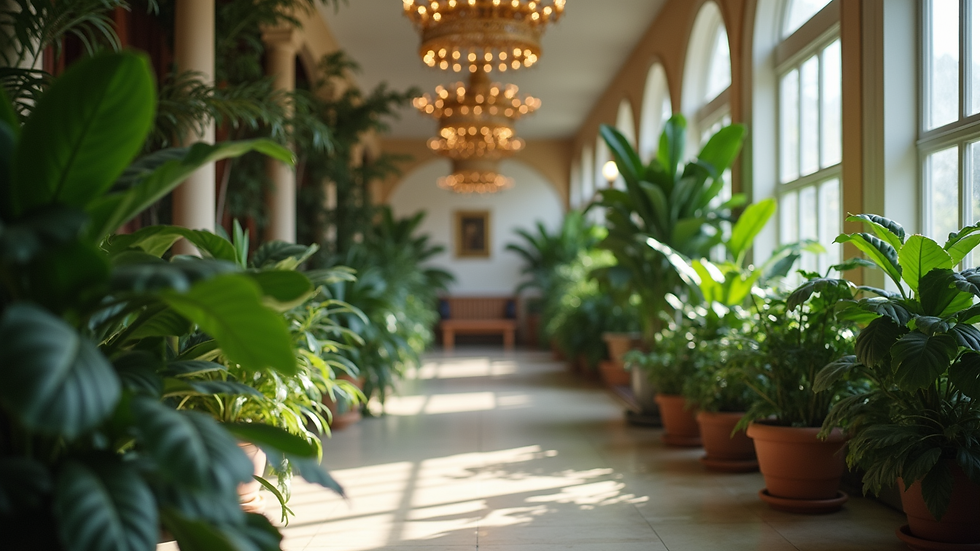
Plants and Greenery: Integrating plants into indoor spaces not only improves air quality but also adds a sense of tranquility. Vertical gardens, potted plants, and green walls are popular ways to bring nature indoors.
Water Features: The sound and sight of water can have a calming effect. Incorporating water features, such as fountains or ponds, can enhance the sensory experience of a space.
Views of Nature: Providing views of the outdoors can significantly improve well-being. Designing spaces with windows that frame natural landscapes can create a seamless connection between the indoors and outdoors.
Benefits of Biophilic Design
The benefits of biophilic design extend beyond aesthetics. Research has shown that incorporating natural elements into our environments can lead to numerous positive outcomes:
Improved Mental Health: Exposure to nature has been linked to reduced stress, anxiety, and depression. Biophilic design can create calming environments that promote relaxation and mental clarity.
Enhanced Productivity: Studies indicate that workplaces designed with biophilic principles can boost employee productivity and creativity. Natural elements can inspire innovative thinking and improve focus.
Increased Well-being: Environments that prioritize biophilic design can enhance overall well-being. People report feeling happier and more satisfied in spaces that connect them with nature.
Sustainability: Biophilic design often emphasizes sustainable practices, such as using eco-friendly materials and promoting biodiversity. This approach not only benefits individuals but also the planet.
Practical Applications of Biophilic Design
Residential Spaces
In residential settings, biophilic design can transform homes into sanctuaries. Here are some practical applications:
Indoor Gardens: Creating an indoor garden with a variety of plants can improve air quality and provide a peaceful retreat. Consider using hanging planters or vertical gardens to maximize space.
Natural Light: Design your home to maximize natural light. Use large windows, glass doors, and open floor plans to create bright, airy spaces.
Natural Materials: Incorporate wood, stone, and other natural materials in your home’s design. This can include wooden furniture, stone countertops, and clay pottery.
Commercial Spaces
In commercial settings, biophilic design can enhance employee satisfaction and productivity. Here are some ideas:
Living Walls: Installing living walls in offices can improve air quality and create a visually appealing environment. These walls can be designed with a variety of plants to suit the space.
Breakout Areas: Create breakout areas with natural elements, such as plants and water features, to provide employees with a space to relax and recharge.
Outdoor Spaces: If possible, design outdoor spaces for employees to enjoy. Rooftop gardens or patios can provide a refreshing escape from the office environment.
Educational Institutions
Biophilic design can also be applied in educational settings to enhance learning experiences. Consider the following:
Nature-Inspired Classrooms: Design classrooms with large windows that offer views of nature. Incorporate natural materials in furniture and decor to create a calming atmosphere.
Outdoor Learning Spaces: Create outdoor classrooms or learning gardens where students can engage with nature. This hands-on approach can enhance learning and foster a love for the environment.
Challenges and Considerations
While the benefits of biophilic design are clear, there are challenges to consider:
Cost: Implementing biophilic design can require an initial investment. However, the long-term benefits often outweigh the costs.
Maintenance: Incorporating plants and water features requires ongoing maintenance. It’s essential to consider the resources needed to keep these elements thriving.
Space Limitations: In urban environments, space can be limited. Creative solutions, such as vertical gardens or rooftop installations, can help overcome these challenges.
Conclusion
Biophilic design is more than just a trend; it is a vital approach to creating spaces that nurture our connection with nature. By integrating natural elements into our environments, we can enhance our well-being, productivity, and overall quality of life. Whether in residential, commercial, or educational settings, the principles of biophilic design offer practical solutions for fostering a deeper connection with the natural world.
As we move forward, consider how you can incorporate biophilic design into your own spaces. Start small by adding plants or maximizing natural light, and gradually embrace the beauty and benefits of connecting with nature. Your mind and body will thank you.

Comments